English
 中文
中文 Español
 русский
 français
 português
 العربية
 Deutsch
 italiano
 한국어
한국어 Polska
×
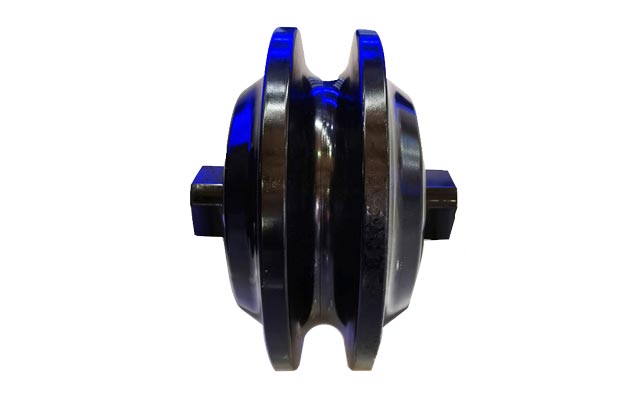
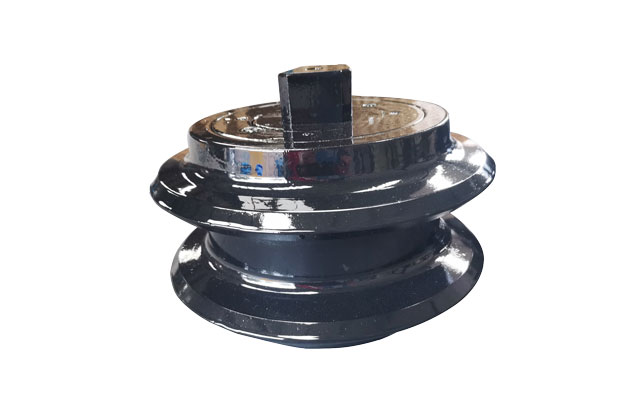
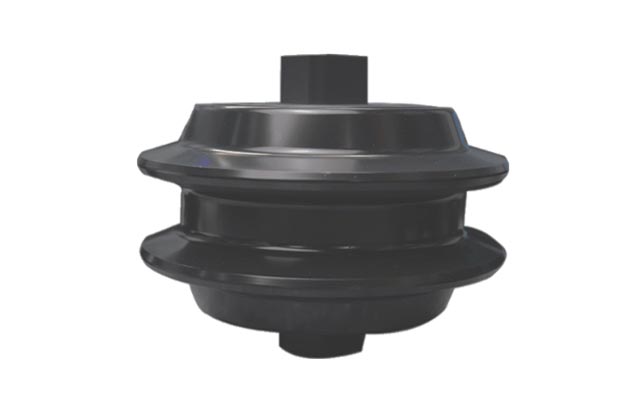
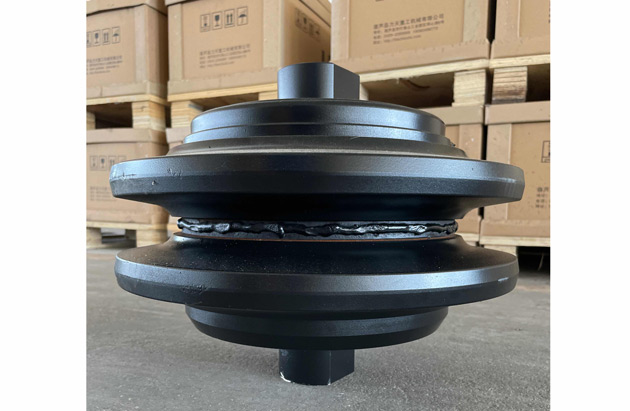
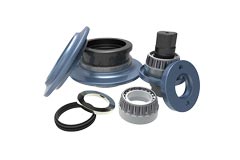
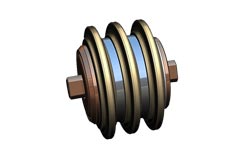
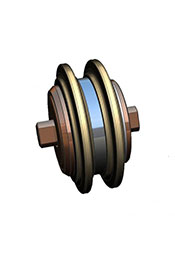
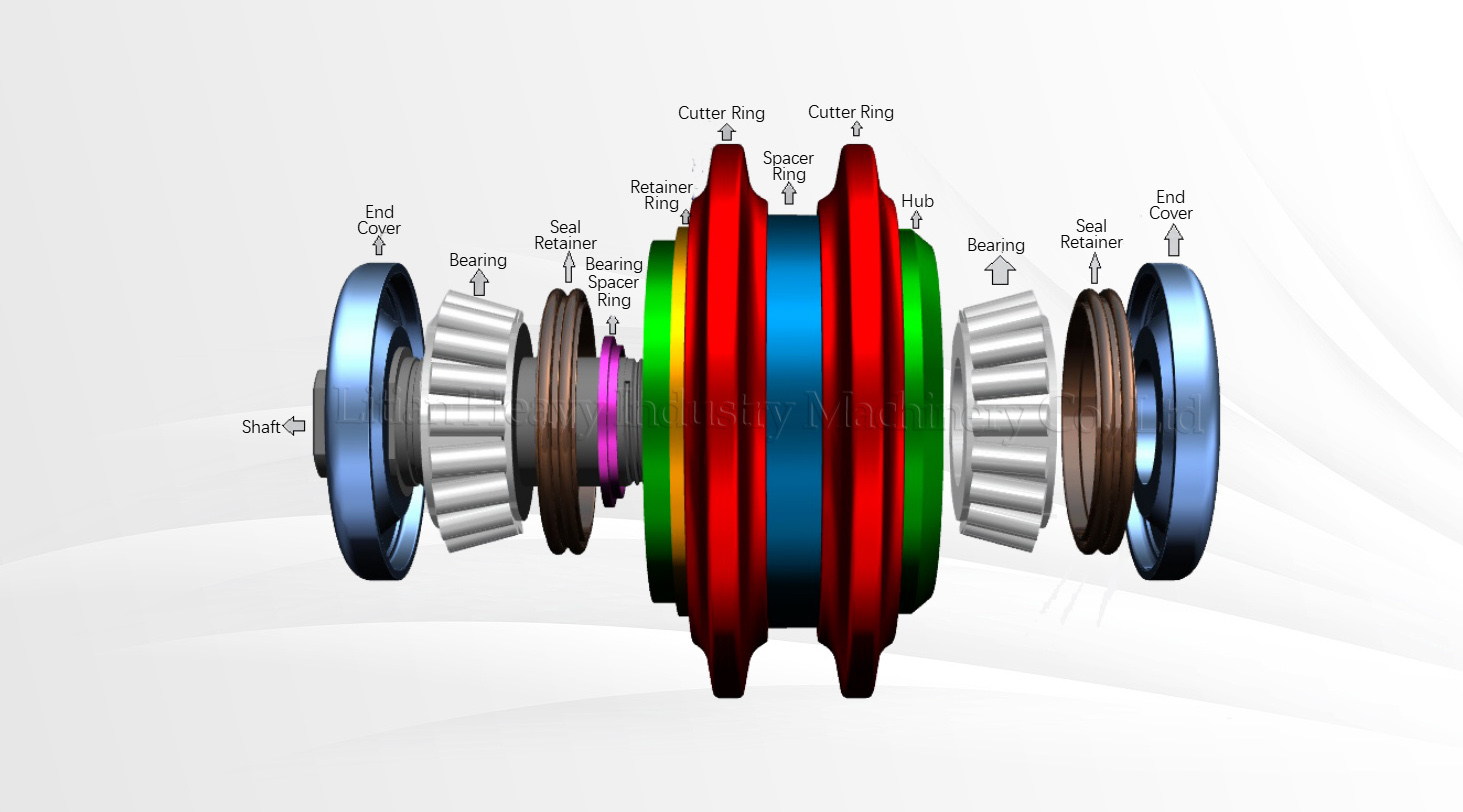
Double Disc Cutter (Dual-Ring Disc Cutter) is a rock excavation tool installed on the cutterhead of TBMs and shield machines. Unlike conventional single disc cutters, it integrates two cutter rings on a single cutter assembly, supported by one integrated bearing system. The two discs create dual cutting tracks per rotation, improving rock fragmentation efficiency and reducing the total number of cutters required on the cutterhead. This configuration can also help optimize cutterhead layout and provide more flexibility for muck flow and tool arrangement depending on TBM design.
Double Disc Cutter | Diameter | Bearing Capacity [Tonne] | Cutter ring | Structure | |
product | [inch] | [mm] | |||
 | 20" | 508 | 35, 42 | Optional | Assembly |
19" | 483 | 35, 42 | Optional | Assembly / Monoblock | |
18" | 457 | 28 | Optional | Assembly / Monoblock | |
17" | 432 | 28 | Optional | Assembly / Monoblock | |
15 1/2" | 394 | 25 | Optional | Assembly / Monoblock | |
14 | 356 | 20 | Optional | Assembly / Monoblock | |
12" | 305 | 16 | Optional | Assembly / Monoblock | |
11" | 280 | 13 | Optional | Assembly / Monoblock | |
10" | 250 | 10 | Optional | Assembly / Monoblock | |
9" | 220 | 9 | Optional | Monoblock | |
8" | 200 | 8 | Optional | Monoblock | |
7" | 180 | 8 | Optional | Monoblock | |
6 1/2" | 165 | 5 | Optional | Monoblock | |
6" | 150 | 4 | Optional | Monoblock | |
| Comparison Aspect | Double Disc Cutter | Single Disc Cutter |
| Cutting paths per disc | Two | One |
| Number of cutters on cutterhead | Fewer required | More required |
| Cutterhead space for tooling | More available | Less available |
| Penetration rate per cutter path | Lower | Higher |
| Typical application | Mixed ground, soft-hard transition zones | Competent hard rock, high UCS formations |
In competent hard rock formations, single disc cutters are commonly preferred because they can withstand high individual cutter loads and support efficient rock fragmentation at high penetration rates. Twin disc cutters are often used in cutterhead center sections or in applications where cutter spacing is limited, providing additional cutting tracks within a compact installation space. They can help optimize cutterhead layout, improve cutting coverage, and enhance excavation efficiency under specific geological and machine design conditions.
Read more: Classification and Selection of TBM Cutter
How do I select the right double disc cutter for my project?
Key factors include rock strength, TBM diameter, and abrasiveness. For rock strength ≥60 MPa, a single disc cutter is generally preferred. Double disc cutters work best in mixed ground or soft-hard transition zones.
Key selection factors include rock strength, abrasiveness, TBM diameter, cutterhead design, and available installation space. Single disc cutters are commonly used throughout the cutterhead, while twin or double disc cutters are often employed in center cutterhead zones where higher cutting density and optimized cutter arrangement are required.
What are the typical wear limits for double disc cutters?
Replacement limits vary depending on cutter size, cutterhead design, and project specifications. In general, cutters should be replaced before excessive ring wear affects penetration performance or exposes critical cutter components.
See Replacement Standard of TBM Cutting Tools to learn more.
How should double disc cutters be inspected and maintained?
Daily inspection should check cutter ring wear, mounting bolt tightness, and seal condition. Regular maintenance includes cleaning, measuring, and timely replacement of worn parts during cutter replacement operations. See TBM Disc Cutter Inspection and management to learn more.
What are the most common failure modes for double disc cutters?
Failures fall into normal wear (progressive ring reduction) and abnormal damage such as eccentric wear, cutter ring cracking, bearing failure, or seal leakage. Abnormal damage is often avoidable with proper tunneling parameters and daily checks. See Analysis of TBM Disc Cutter Damage And Countermeasures to learn more.
What causes sealing failure in double disc cutters?
Sealing failure is often caused by high-temperature operation, abrasive particles entering the seal cavity, or normal seal aging. Once seals fail, lubricant leaks out and rock cuttings invade the bearing, leading to bearing damage and cutter failure. See Analysis of TBM Disc Cutter Damage And Countermeasures to learn more.
How can I tell if a double disc cutter needs emergency replacement?
Signs include a sudden drop in penetration rate, abnormal noise or vibration from the cutterhead, visible cutter ring cracking, severe spalling, excessive wear, or missing carbide inserts (where applicable). See Replacement Standard of TBM Cutting Tools to learn more.


Litian is a professional manufacturer focused on the production of rock drilling tools and excavation tools.
Learn More >