English
 中文
中文 Español
 русский
 français
 português
 العربية
 Deutsch
 italiano
 한국어
한국어 Polska
×
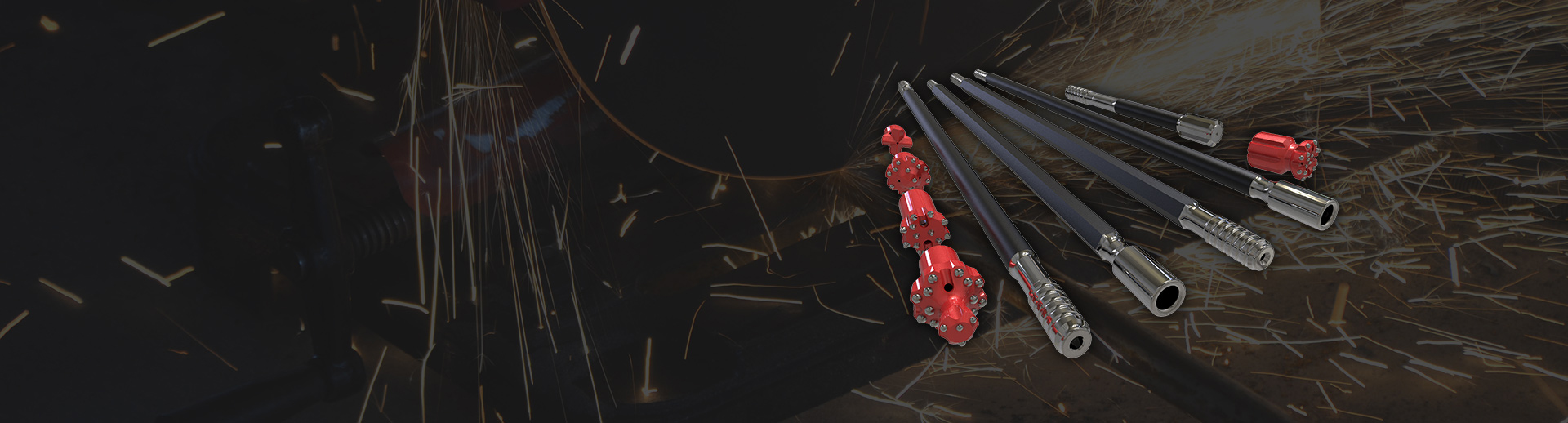
Small hole drilling tools are designed for shallow-hole rock drilling and blasting applications in mining, quarrying, tunneling, and construction projects. The product range mainly includes tapered button bits, tapered drill rods, integral drill rods, and shank rods, which are compatible with hand-held, air-leg, and rail-mounted pneumatic rock drills. Selecting the right drilling tool combination helps improve drilling efficiency, reduce tool wear, and achieve more stable rock drilling performance in demanding mining environments.
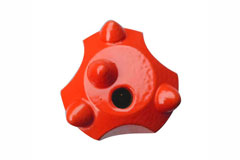
Tapered button bit is mainly used with pneumatic rock drill and tapered drill rod, and it conducts drilling operations through the connection of the taper on the drill bit and drill rod. The tapered b...
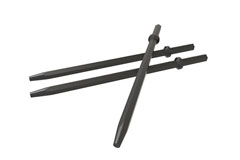
Tapered drill rod is suitable for small pneumatic rock drills or hydraulic rock drills for shallow hole drilling operations, and are generally made of H22 and H25 hexagonal hollow drill steel. The tap...
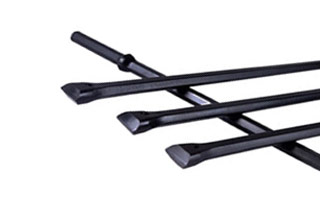
Integral drill rod is a kind of rock drilling tool that integrates drill bit, drill rod and shank adapter. It is mainly used for underground mining and small hole drilling, and is used with low-power ...
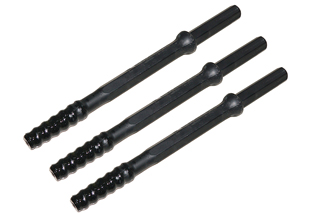
Hexagonal shank rod (shank end rod) is a light-duty rock drilling tool, which is mainly used for rail-type pneumatic rock drills. It is often used in the small hole drilling of underground mine boltin...
Tapered Drill Bit | |
Taper | 7°, 11°, 12° |
Bit Type | Tapered button bit, Chisel bit, Cross type bit |
Head Diameter | 28mm~48mm |
Tapered Drill Rod | |
Taper | 7°, 11°, 12° |
Rod Diameter | Hex22, Hex25 |
Length | 400mm-5500mm |
Integral Drill Rod | |
Rod Diameter | Hex19, Hex22 |
Bit Diameter | 24mm~40mm |
Shank Length | 108mm |
Effective Length | 400mm~6400mm |
Selecting small hole drilling tools depends on the drilling method, rock formation, and drilling equipment. Tapered button bits and tapered drill rods are commonly used for shallow-hole drilling in mining and quarrying because they provide flexible bit replacement and lower operating costs. Integral drill rods are often preferred where drilling accuracy and impact energy transfer are priorities, while shank rods are selected according to the rock drill model being used. Matching the correct drill bit, rod, and shank improves drilling efficiency and extends tool service life.
Small hole drilling tools are widely used in underground mining, surface quarrying, dimensional stone production, slope stabilization, foundation engineering, and small-diameter blasting operations. Different drilling environments require different tool combinations, but all rely on stable impact energy transmission and reliable wear resistance to maintain drilling productivity.
Litian provides a complete range of small hole drilling tools for mining, covering tapered button bits, tapered drill rods, integral drill rods, and shank rods. Consistent manufacturing processes, strict dimensional control, and complete product compatibility allow customers to source multiple drilling consumables from one supplier.
Introduction to Tapered Drill Bits: Best for Hard Rock Drilling
What Are the Best Stone Drilling Tools for Limestone Quarries?
Taper Drill Rods in Efficient Rock Drilling Operations
The Benefits and Uses of Shank Rods in Construction Projects
How to Properly Install and Maintain Shank Rods for Optimal Performance
Tips for Proper Maintenance of Tungsten Carbide Button Bits
Maintenance Tips for Rock Drilling Equipment in Aggregate Production
What are Cross-Type Drill Bits? Is it Best for Abrasive Rock Drilling?
Q: What is the difference between tapered button bits and threaded button bits?
A: Tapered button bits use a friction-based tapered fit (typically 7°, 11°, or 12°) with the drill rod, while threaded button bits use a screw-thread connection. Tapered bits are mainly used for light-duty, shallow-hole drilling with handheld pneumatic rock drills, whereas threaded bits are designed for mechanized drilling systems requiring deeper holes and higher power.
Read More: Introduction of Top Hammer Drill Bits
Q: What are the typical applications of tapered drilling tools?
A: Tapered drilling tools are primarily used with hand-held, air-leg, and rail-type pneumatic rock drills for shallow-hole rock drilling and small-diameter blast hole drilling in mining, quarrying, and construction projects. They are especially common in dimensional stone extraction and underground mining operations where maneuverability is important.
Read More: What Is the Rock Drill Rods on a Hammer Drill?
Q: How should tapered drill rods and bits be maintained?
A: Regular inspections for wear, corrosion, or damage are essential. Use a taper gauge to check bit and drill rod taper angles, and ensure connections are in good condition. Proper cleaning, storage, and lubrication are key maintenance practices to extend lifespan. Replace worn or damaged bits promptly.
Read More: How to Maintain the Threaded Drill rod?
Q: What is the difference between a tapered drill rod and an integral drill rod?
A: A tapered drill rod has a tapered socket at one end for mounting a detachable tapered drill bit, while an integral drill rod is a one-piece tool with the bit forged directly onto the rod. Integral drill rods are typically used in granite and marble quarries and underground mining for small blasting holes, whereas tapered drill rods offer the flexibility of interchangeable bits.
Read More: What Are Top Hammer Drilling Tools Made Up Of?
Q: How do I choose the right tapered button bit for my rock conditions?
A: Selection depends on rock hardness and abrasiveness. For hard and very hard rock, tapered button bits with spherical or ballistic carbide buttons are generally recommended. For highly abrasive formations, cross-type drill bits may be considered as an alternative. Matching the bit type to the specific rock condition is essential for optimal drilling efficiency and bit life.
Read More: Rock Drilling Bits Classification


Litian is a professional manufacturer focused on the production of rock drilling tools and excavation tools.
Learn More >