English
 中文
中文 Español
 русский
 français
 português
 العربية
 Deutsch
 italiano
 한국어
한국어 Polska
×
Drill extension rods are vital components in drilling operations, particularly in industries like mining and construction where reaching greater depths or navigating challenging terrains is essential. These rods connect the drill bit to the drilling rig, allowing for extended reach while transmitting rotational force and impact energy efficiently. Their importance cannot be overstated—they enhance productivity, ensure precision in hole placement, and contribute to overall safety by minimizing the need for frequent equipment repositioning. However, improper use can lead to equipment failure, increased downtime, and higher costs. In this article, we'll explore five key mistakes to avoid, drawing from industry insights to help you optimize your drilling processes with high-quality tools from Litian.
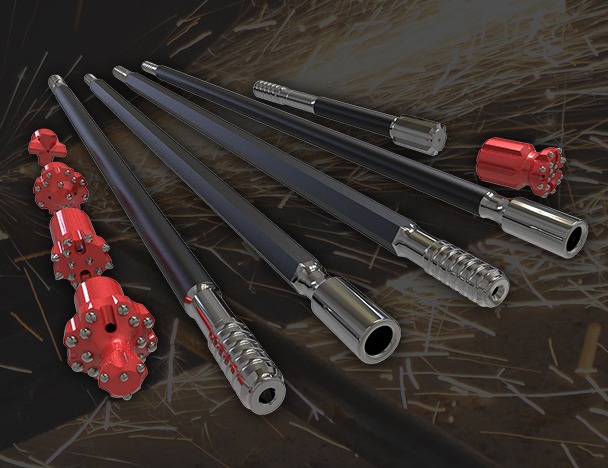
One of the most frequent errors in drilling setups involves overlooking the compatibility of components. When drill extension rods, bits, and shank adapters don't match in terms of thread type, size, or material, it can result in poor energy transfer and structural weaknesses. For instance, mismatched threads may cause loose connections, leading to vibrations that accelerate wear on all parts involved.
Incompatible setups often lead to catastrophic failures, such as rod breakage or bit detachment during operation. According to drilling experts, this can reduce energy efficiency by up to 30%, causing local stress concentrations at connection points and increasing the risk of thread stripping. In mining environments, where high-impact forces are common, these issues can halt operations and pose safety hazards to workers.
To prevent these problems, always verify specifications from the drill rods manufacturers. Check thread profiles and ensure all components are from compatible brands or designed to work together. Additionally, consulting compatibility charts or performing test assemblies before fieldwork can save time and resources.
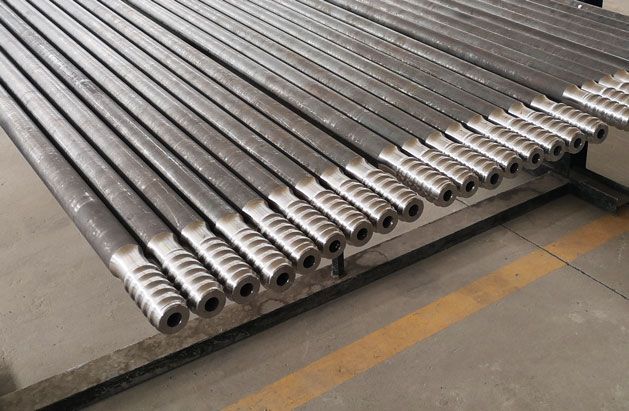
Proper alignment during installation is crucial for maintaining the integrity of your drilling string. Misalignment can occur due to rushed setups or uneven terrain, resulting in uneven force distribution. This mistake often leads to excessive vibration, inaccurate hole trajectories, and premature fatigue in the extension rods. In construction projects, where precision is key, even slight deviations can compromise structural stability.
To avoid this, use alignment tools like laser guides or spirit levels during assembly. Ensure threads are clean and apply the recommended torque—over-tightening or under-tightening can exacerbate issues. Regular training for operators on installation best practices, as recommended by industry leaders, can significantly reduce these errors. Litian's extension rods feature durable designs that tolerate minor misalignments better, but proactive checks are always advised.
Skipping routine maintenance is a shortcut that leads to long-term problems. Drill extension rods are exposed to harsh conditions, including abrasive rocks and corrosive elements, which can cause unseen damage over time. Without inspections, small issues like micro-cracks can escalate into full failures, increasing replacement costs and downtime.
Look for visible indicators such as thread galling (steel-on-steel wear), pitting on surfaces, or discoloration from corrosion. Bent rods or unusual noises during operation are red flags. In humid mining sites, corrosion is particularly common, often stemming from improper storage or lack of protective coatings.
Implement a daily inspection routine: clean threads with a wire brush, apply anti-seize lubricant, and check for straightness using a straightedge. Weekly deep cleans and monthly professional assessments are ideal for high-use scenarios. Store rods in dry, elevated racks to prevent environmental damage. Litian recommends using their specialized thread compounds for extended life, which can prevent galling and extend useful cycles by several times.
| Maintenance Frequency | Tasks to Perform | Purpose |
| Daily (before/after use) | Clean threads with wire brush; Apply anti-seize lubricant; Visual check for straightness and obvious damage | Prevent galling, corrosion, and early wear |
| Weekly | Deep clean of entire rod; Inspect threads for pitting/galling; Check for bending using straightedge | Detect micro-damage before it escalates |
| Monthly or after 200-300 drilling hours | Professional inspection; Measure thread wear; Rotate rods in string to even wear | Extend lifespan, avoid sudden failures |
| As needed (harsh conditions) | Apply protective coating; Store in dry, elevated racks | Protect from moisture and impact damage |
Selecting the wrong length for your drill extension rods or exceeding their load capacity is a common pitfall in both mining and construction. Too short a rod may require frequent additions, increasing connection points and failure risks, while overly long ones can cause instability and bending under torque.
Overloading occurs when operators push beyond the rod's rated limits, leading to fatigue fractures or deformation. To mitigate this, calculate required lengths based on hole depth and rig specifications. Monitor torque and feed pressure in real-time, and choose rods with high tensile strength like those from Litian, which are engineered for demanding applications.
| Rod Length Consideration | Potential Issues if Wrong | Correct Approach | Benefit |
| Too Short | Frequent connections → more failure points, higher vibration, energy loss | Calculate based on hole depth + safety margin | Fewer joints, better stability |
| Too Long | Instability, bending under torque, increased fatigue | Match to rig capacity and target depth | Reduced bending risk, longer rod life |
| Overloading (exceeding torque/load rating) | Fatigue fractures, deformation, sudden breakage | Monitor real-time torque/feed pressure; Stay within manufacturer limits | Prevent downtime, extend equipment life |
Thread damage, often from galling or impacts, is exacerbated by environmental factors like dust, moisture, or extreme temperatures. Ignoring early signs—such as pitting or vertical cracks—can lead to connection failures and rod breakage.
Address this by using protective caps during transport and applying corrosion-resistant coatings. In harsh environments, opt for hardened threads, and replace damaged components immediately to avoid chain reactions in the drill string.
To maximize the lifespan and performance of your drill extension rods, adopt these industry-recommended practices:
1. Always lubricate threads before connections to reduce friction and wear.
2. Use compatible accessories, maintain proper alignment, and adhere to torque specifications.
3. Regular training and investing in quality tools from reputable manufacturers (like Litian) can prevent common pitfalls.
By focusing on prevention, you can achieve safer, more efficient drilling operations that save time and money in the long run. Optimizing Your Drilling with Litian mining drilling tools means choosing precision-engineered extension rods that deliver superior durability, reduced downtime, and enhanced productivity in even the toughest conditions. Litian's innovative designs, backed by rigorous testing and customer feedback, ensure optimal performance across mining and construction projects.
Contact us today for a consultation or to explore our premium product line tailored to your specific needs.
References
1. Environmental Remediation Drilling Safety Guideline – National Ground Water Association (NGWA)
2. BP-31 Drilling for Metal/NonMetal Contractors – Mine Safety and Health Administration (MSHA)
3. Handbook of Best Practices for Geothermal Drilling – U.S. Department of Energy / Sandia National Laboratories
https://openei.org/w/images/a/a1/Drillinghandbook.pdf
4.Safety and Accident Prevention Plan – Drilling (Kansas Geological Survey Drilling Safety Guide) – Kansas Geological Survey
https://www.kgs.ku.edu/Publications/OFR/2023/OFR2023-22.pdf
5. Drill string and components (IADC Drilling Manual excerpt) – International Association of Drilling Contractors (IADC)
https://iadc.org/wp-content/uploads/2015/08/preview-drst.pdf
What are the common challenges in using T51 drill rods and how to overcome them?
Such as wear from hard rocks, thread damage/breakage from connections, misalignment-induced vibration, and corrosion from moisture. Solutions like using wear-resistant materials, regular lubrication/cleaning, proper alignment via maintenance/training, etc., could help with these problems.
What's the role of drill extension rods in deep hole drilling?
They enable deeper drilling without frequent rig repositioning, improving efficiency and reducing downtime.
What are the top benefits of using drill extension rods in mining?
They enable deeper drilling, improve accuracy and stability, offer versatility, ensure durability for extended service life, and boost overall efficiency, cost savings, and safety by minimizing downtime and wear.

Litian is a professional manufacturer focused on the production of rock drilling tools and excavation tools.
Learn More >